

Streamline reflux triage with EndoSign®
Read how EndoSign® can be used to streamline reflux triage pathways, by identifying patients with Barrett’s oesophagus for endoscopy.
Improving reflux triage to reduce NHS endoscopy waiting lists
Reflux is one of the most common gastrointestinal complaints seen in primary care, often presenting as persistent heartburn. Gastroesophageal reflux disease (GORD) alone is estimated to affect around 20 per cent of the UK population.2 While symptoms are manageable for many patients, for others they can be a sign of something more serious.
About 11 in 100 people with GORD will develop Barrett’s oesophagus – where repeated exposure to acid causes changes in the oesophageal lining – and those with Barrett’s oesophagus are 30 times more likely to go on to develop oesophageal adenocarcinoma.3 However, the vast majority of reflux patients will never develop either of these conditions. The clinical challenge remains how best to strike the balance between reassuring those patients, and finding the smaller subset of individuals who may harbour early pathological changes that require further investigation. There is therefore a growing need for more effective triage approaches to identify which reflux patients are most likely to benefit from endoscopy.
Challenges in the reflux referral triage pathway
Despite the prevalence of reflux, the triage pathway is often ambiguous and variable, making it difficult to consistently identify which patients require further investigation. A reflux patient typically presents to their GP with symptoms, the GP initiates management – such as lifestyle changes and proton pump inhibitors – and, if symptoms persist or raise concern, they refer the patient to secondary care.
From there, referrals are typically reviewed through a centralised triage pathway, where a consultant gastroenterologist or physiologist assesses each case and determines the next step. In practice, this process is often complex. Consultants responsible for referral triage may review 30 to 40 cases per day, covering a wide spectrum of patients, from those with minor, non-specific symptoms to clear red flag presentations requiring urgent investigation. Reflux patients frequently sit in a grey area: their symptoms are common, often benign, but occasionally indicative of more serious underlying pathology. Faced with this uncertainty, and under significant time pressures from mounting waiting lists, triage decisions must be made quickly, often resulting in patients being assessed with an upper GI endoscopy.
Unfortunately, with such a large proportion of the population affected, this approach inevitably contributes to increasing endoscopy waiting lists. The decision to refer any patient for endoscopy must be made carefully to avoid as many unnecessary procedures as possible but still ensure that patients with disease are not missed.
Bridging the gap between primary and secondary care in reflux triage
At the same time, there is a recognised disconnect between primary and secondary care decision making. GPs are managing large patient volumes and must balance clinical uncertainty with the very real risk of missing serious disease. The threshold for referral is therefore understandably cautious, particularly when delayed diagnosis carries significant consequences.
From the perspective of secondary care, these patients arrive as undifferentiated cases, often without clear risk categorisation, making triage more time consuming. Compounding this, patient expectations are often set early in the pathway; if a patient has been told by their GP that they may need an endoscopy, it can be difficult for secondary care to reverse this later, even when clinical risk is low. As a result, once a referral enters the system, it frequently progresses toward investigation rather than being managed more conservatively.
Getting It Right First Time: reflux referrals
There is broad recognition across the NHS that this model of triage is not as efficient as it could be. The NHS Getting It Right First Time (GIRFT) initiative highlighted the importance of improving triage pathways in endoscopy to help streamline referrals.4 It emphasises how early specialist triage will ensure that the most urgent patients are seen first and will also identify those who no longer need to attend hospital.4
However, putting this initiative into practice is not straightforward. While consultant-led triage is essential, there is increasing acknowledgement that earlier, more effective patient stratification before endoscopy could significantly improve efficiency. Providing clinicians with less invasive tools to triage reflux patients earlier in the pathway may help to reduce unnecessary endoscopy referrals, ease pressure on services and align more closely with the goals of GIRFT.
How EndoSign® can streamline reflux triage
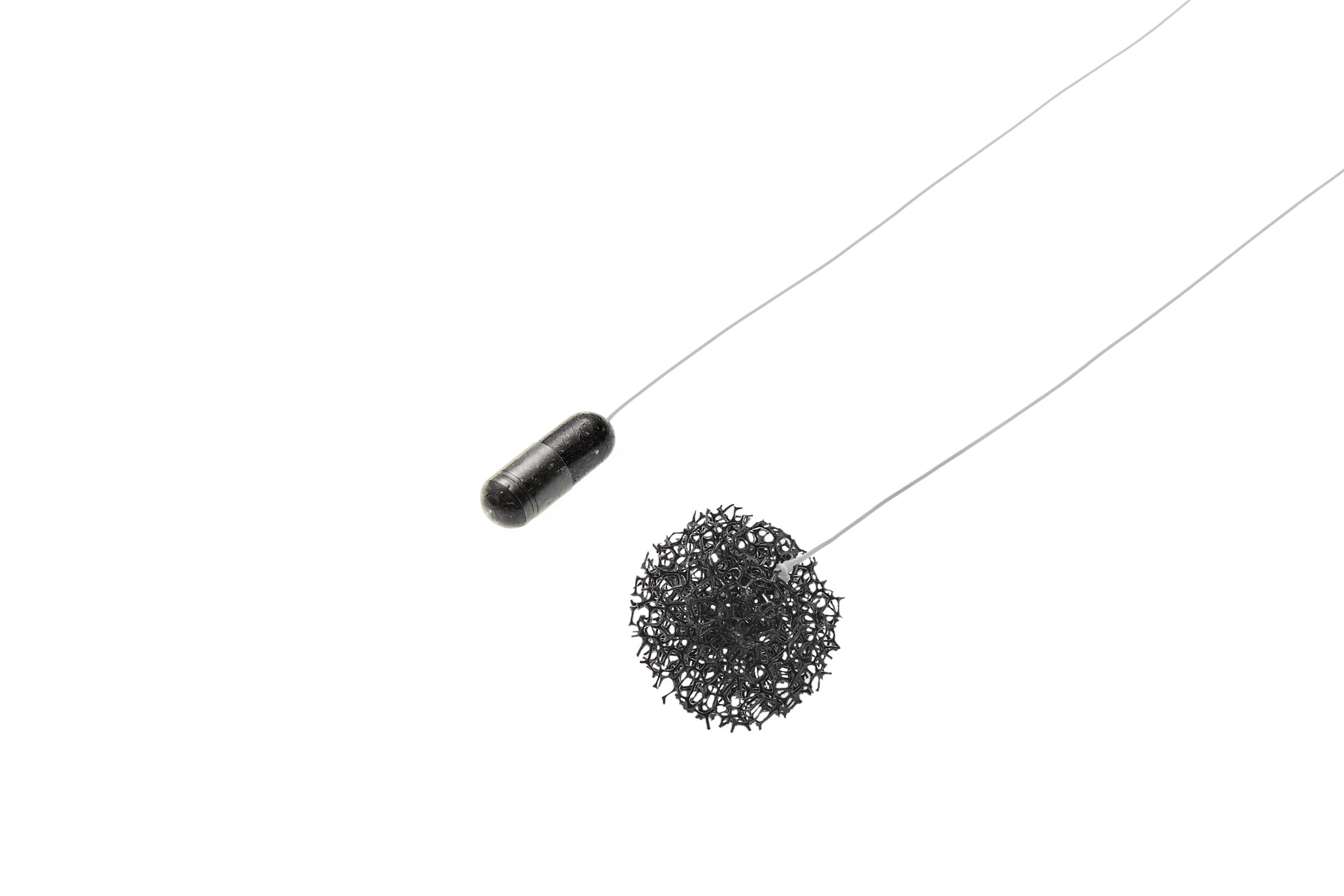
EndoSign capsule sponge technology offers a minimally invasive way to do exactly this. Designed to collect cells from the entire lining of the oesophagus, it enables clinicians to test reflux patients for biomarkers associated with Barrett’s oesophagus and early dysplastic changes. This complementary triage tool can help to distinguish between patients who are unlikely to benefit from immediate investigation and those who should be prioritised for specialist assessment.
To further support convenient triage, the test is being offered in a range of healthcare sites including hospitals, Community Diagnostic Centres, GP surgeries, mobile diagnostic units, and more recently pharmacies as part of the National Cancer Plan for England to assess patients presenting with heartburn.5 This improved access to care helps the NHS to address healthcare inequalities and offers a more convenient choice for patients.
High risk patients found by primary care initiatives may then be referred into secondary care with greater clinical justification, while lower risk patients may avoid unnecessary procedures. Currently, EndoSign is mostly being used in secondary care triage pathways across the UK.
For patients referred with non-specific reflux symptoms, capsule sponge testing provides a biomarker-based risk assessment of Barrett’s oesophagus, enabling more informed decision making at the point of triage. This offers a smarter approach to reflux triage that ensures endoscopy is reserved for those who need it most.
Contact us to find out more about how EndoSign can be used for reflux triage.
References
- Guts UK. Heartburn and Acid Reflux. Accessed 23rd of March 2026. https://gutscharity.org.uk/advice-and-information/symptoms/heartburn-and-reflux/
- Reflux UK. (2024) Gastroesophageal Reflux Disease. Accessed 23rd of March 2026. https://refluxuk.com/diagnosis/gerd?srsltid=AfmBOoqIsNCHapQx4pUmKFNOb4AETna6_0yNi06x6xCI8wMPuumLLRgT
- Guts UK. Barrett’s Oesophagus. Accessed 23rd of March 2026. https://gutscharity.org.uk/advice-and-information/conditions/barretts-oesophagus/
- NHS England. (2022) GIRFT national report for gastroenterology recommends more weekend services and early specialist triage to help manage demand and improve productivity. Accessed 23rd of March 2026. https://gettingitrightfirsttime.co.uk/wp-content/uploads/2022/09/Gastroenterology-overview.nhse_.pdf
NHS England. (2026) The National Cancer Plan for England: delivering world class cancer care. Accessed 23rd of March 2026. https://assets.publishing.service.gov.uk/media/699ec931532c9ad91ebbcc64/national-cancer-plan-for-england-delivering-world-class-cancer-care.pdf
Setting up testing in your clinic
Contact us to discuss how capsule sponge testing could support your service.