

Risk stratification for Barrett's oesophagus with EndoSign®
Read how EndoSign® can be used to stratify Barrett's oesophagus patients based on risk of cancer development, helping to ease endoscopy waiting lists.
Efficient risk stratification for Barrett’s oesophagus with capsule sponge technology
Oesophageal cancer continues to have some of the poorest patient outcomes in the UK for common cancers. The overall 10-year survival rate is only 12 per cent, compared with approximately 50 per cent across all cancers combined,1 and one of the major factors behind these figures is late diagnosis. Oesophageal adenocarcinoma often develops silently, and symptoms typically appear once the disease has already developed beyond the possibility of cure.
However, there is a critical opportunity to intervene earlier through surveillance of Barrett’s oesophagus, a well-established precursor condition that is traditionally monitored by regular endoscopy.2 But, with NHS waiting lists for endoscopy services busier than ever, the challenge is how best to deliver Barrett’s surveillance at scale within an already stretched system.
Barrett’s oesophagus and the opportunity for surveillance
Barrett’s oesophagus can form when chronic exposure to gastric acid and bile causes the normal squamous lining of the distal oesophagus to be replaced by metaplastic columnar epithelium. This metaplasia can progress through stages of dysplasia before developing intooesophageal adenocarcinoma. Importantly, this progression usually occurs slowly, creating a window of opportunity for early detection and intervention. Lifestyle modification, endoscopic therapy or close monitoring may significantly increase life expectation if the condition is caught early enough.
According to NICE recommendations,3 patients diagnosed with Barrett’s oesophagus are typically monitored by high resolution white light endoscopy:
● Every 2-3 years for patients with long-segment Barrett’s oesophagus (≥3 cm)
● Every 3-5 years for those with short-segment Barrett’s oesophagus (<3 cm) with intestinal metaplasia
The rising challenge of NHS endoscopy waiting lists
This strategy is intended to help clinicians identify dysplasia early and guide appropriate treatment decisions. However, it also relies heavily on endoscopic procedures, placing increasing pressure on units that are under immense strain. Rising referrals, workforce challenges with burnout,4 strained NHS funding and increasing demand for screening procedures all contribute to NHS waiting times for endoscopy being a significant challenge.
One particular intervention driving increased demand is the rollout of the criteria change for FIT testing, which is projected to see the NHS offering 35 per cent more screening colonoscopies each year to help diagnose or rule out bowel cancer,5 adding immense pressure to services.
According to NHS England (NHSE) data, gastroenterology and hepatology already have the biggest outpatient backlog in Tier 1 medical specialties, and have featured in NHSE longest diagnostic waiting list times since 2016. In parallel, endoscopy services specifically represent the second busiest diagnostic specialty in England after radiology.4 NHSE data indicates that around 23.7 per cent of patients wait more than six weeks for a gastroscopy,6 and diagnostic pathways often extend well beyond recommended timelines. For many services, managing the NHS waiting lists while maintaining high diagnostic quality has become a constant balancing act.
At the same time, the strategy for the surveillance programme must also consider the relatively low rate of malignant progression from Barrett’s oesophagus to cancer. Studies suggest the annual incidence of oesophageal adenocarcinoma in Barrett’s patients is approximately 0.3 per cent.2,7 While the risk is real, this means that the vast majority of surveillance endoscopies do not identify high grade dysplasia or cancer. Significant endoscopy resources are therefore being used with a very small chance of identifying high yield pathology. This is why the question of whether Barrett’s surveillance is having a significant enough impact is often debated within healthcare communities.8 But, with Barrett’s oesophagus cases rising and poor survival rates for oesophageal cancer, patients need an efficient and scalable diagnostic pathway that can identify those most at risk while ensuring timely access to endoscopy.
Risk stratification with capsule sponge technology
This situation has prompted ongoing discussion as to whether surveillance can be delivered more efficiently with better risk stratification. Rather than scheduling every patient for repeated endoscopies, identifying those at highest risk of progression could help to prioritise the limited endoscopy capacity. EndoSign® capsule sponge technology has emerged as an important risk stratification tool within this evolving surveillance pathway.
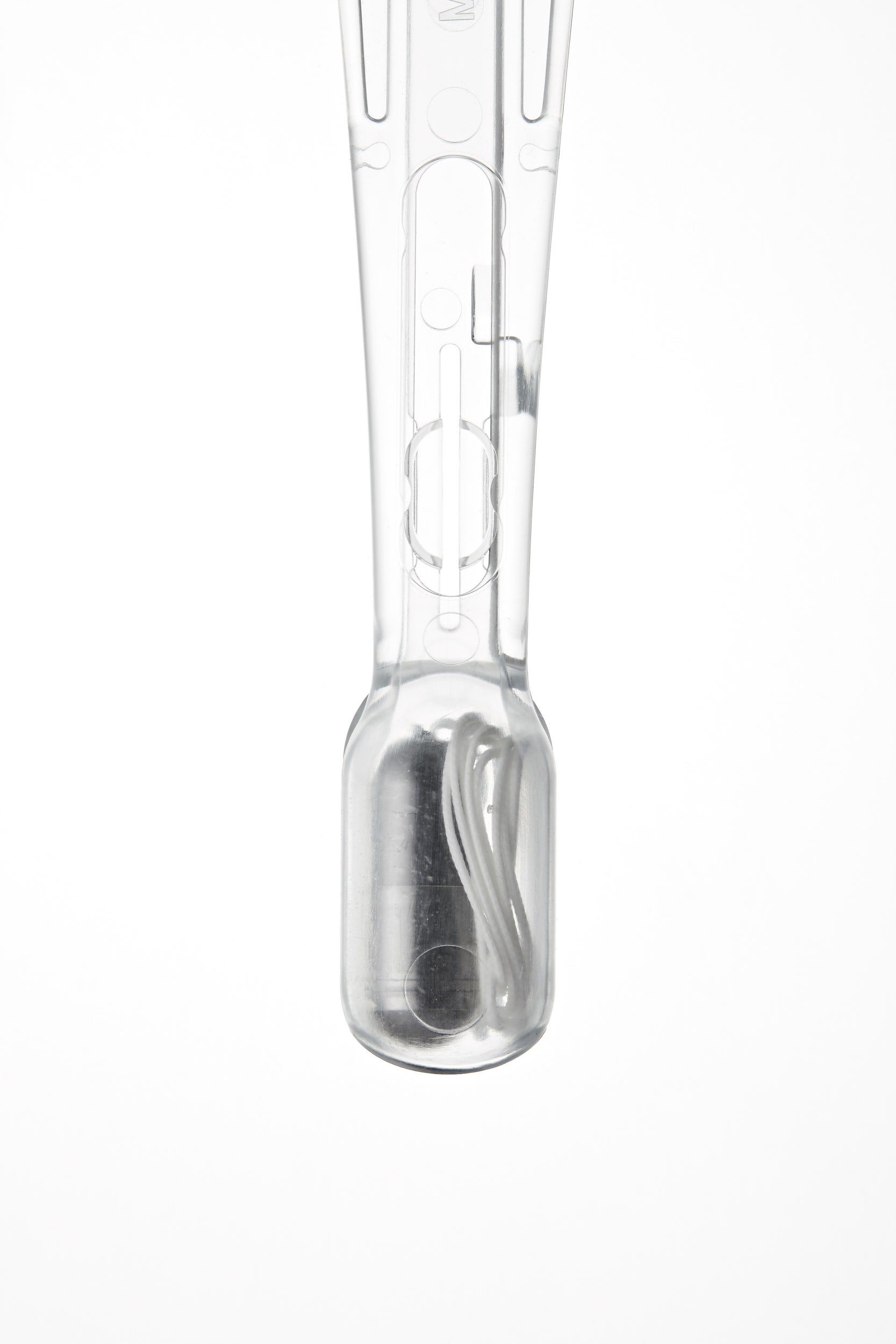
Often referred to as a ‘pill-on-a-string,’ EndoSign consists of a small capsule containing a compressed sponge attached to a thin thread. The patient swallows the capsule, which dissolves in the stomach after a few minutes. The sponge is then gently withdrawn, pulled by the thread, collecting cells from the entire length of the lining of the oesophagus as it passes upward. These cells are analysed for biomarkers associated with Barrett’s oesophagus and dysplasia.
Unlike gastroscopy, the procedure does not require sedation, can be carried out in a 30 minute appointment by any trained healthcare professional in any care setting and is well tolerated by patients. EndoSign is used in over 70 sites in the UK to support endoscopy services in classifying patients into low, moderate and high risk groups for dysplasia and cancer. Using this method, a landmark study published in the Lancet found that 54 percent of patients were classified as low risk, suggesting that they may be safely monitored without immediate endoscopy, and with capsule sponge alone.9Avoiding regular endoscopies in this group will reduce costs, release endoscopy capacity and improve patient satisfaction. Those in the high risk group could then be prioritised urgently for endoscopic evaluation.
Reducing NHS endoscopy waiting times
With endoscopy demand continuing to rise, reevaluating the efficacy of the relevant diagnostic pathways will be essential to ensure sustainable levels of service. Tools that help to guide endoscopy more effectively will become an important part of future care pathways for teams facing growing NHS waiting lists and increasing surveillance workloads. For NHS Scotland, risk stratifying patients with EndoSign helped cut waiting times by three months,10 and identify the 23 per cent of patients that were most at risk, illustrating the valuable role the capsule sponge can play in Barrett’s surveillance.11 In this way, capsules ponge testing simply helps to ensure that the right patients receive the right investigation at the right time.
Contact us to find out more about how EndoSign can fit into your endoscopy service.
References
- Oxford Cancer. Oesophagogastric Cancer Centre of Excellence. https://www.cancer.ox.ac.uk/research/networks/OCCE. Accessed 5th of February 2026.
- Januszewicz W, Fitzgerald RC. (2019). Barrett's oesophagus and oesophageal adenocarcinoma. Medicine (Abingdon). 47(5):275-285. doi:10.1016/j.mpmed.2019.02.005
- NICE. (2023). Barrett's oesophagus and stage 1 oesophageal adenocarcinoma: monitoring and management. Available at: https://www.nice.org.uk/guidance/ng231/chapter/Recommendations#endoscopic-surveillance. Accessed 5th of February 2026.
- BSG. (2025). Getting Ahead of the Curve: Our vision for the future Workforce. Available at: https://www.bsg.org.uk/BSG/media/BSG-Media/PDFs/BSG-AheadofCurveFINAL.pdf. Accessed 5th of February 2026.
- NHS England. (2026) NHS to detect and prevent thousands more bowel cancers with more sensitive screening. Available at: https://www.england.nhs.uk/2026/01/nhs-detect-prevent-thousands-more-bowel-cancers-more-sensitive-screening/. Accessed 16th of March 2026.
- NHS England. (2025). NHS Diagnostic Waiting Times and Activity Data. Available at: https://www.england.nhs.uk/statistics/wp-content/uploads/sites/2/2025/03/DWTA-January-2025-report_SDM38.pdf Accessed 5th of February 2026.
- Desai TK, Krishnan K, Samala N, et al. (2012). The incidence of oesophageal adenocarcinoma in non-dysplastic Barrett's oesophagus: a meta-analysis. Gut. 61(7):970-976. doi:10.1136/gutjnl-2011-300730
- de Jonge PJ, van Blankenstein M, et al. (2014) Barrett's oesophagus: epidemiology, cancer risk and implications for management. Gut. 63(1):191-202. doi:10.1136/gutjnl-2013-305490
- Tan, W K, Askinyte, V, et al. (2025). Biomarker risk stratification with capsule sponge in the surveillance of Barrett’s oesophagus: prospective evaluation of UK real-world implementation. The Lancet. 406(10500): 271-282.
- Chien, et al. (2024) National adoption of an esophageal cell collection device for Barrett’s esophagus surveillance: impact on delay to investigation and pathological findings. Diseases of the Esophagus 2024. Vol 37, Issue 5.
- Scottish Health Technologies Group Assessment. (2023) Capsule sponge technologies for the detection of Barrett’s oesophagus and early stage oesophageal cancer. Available at: https://shtg.scot/media/2410/20231002-capsule-sponge-assessment-v10.pdf. Accessed 16th of March 2026.
Setting up testing in your clinic
Contact us to discuss how capsule sponge testing could support your service.